
Affordable Ammo Without the Guesswork: Where to Find Cheap Rounds That Actually Work
You might be surprised to learn that “cheap” ammunition often uses the exact same primers, brass, and powder as premium brands—the savings come from simpler packaging and bulk production, not less safe components. This budget-friendly ammo works flawlessly for range practice, letting you send hundreds of rounds downrange without wincing at the total. To get the most from it, focus on plinking and training drills where extreme precision isn’t critical, and always test a few boxes first to confirm reliable feeding in your firearm. Smart shooters know cheap ammo is the secret to more trigger time without sacrificing fun or safety.
What Actually Counts as Budget-Friendly Ammo and Does It Still Perform?
Budget-friendly ammo isn’t just the lowest shelf price; it’s cheap ammunition that delivers reliable ignition, consistent accuracy, and safe function for its intended purpose. Often, this means buying bulk steel-case or aluminum-case rounds, like 9mm or .223, from reputable manufacturers who cut costs on packaging and brass, not on primers or propellant. Does it still perform? Absolutely, for range practice and training. You’ll see slightly wider groups at 25 yards and more felt recoil than premium match loads, but for hour-long drills or plinking, the performance gap is negligible. The real trap is bottom-tier remanufactured or unknown-brand rounds that fail to chamber or squib. What actually counts as budget-friendly ammo is a proven, mass-produced round that cycles your firearm every time, hitting minute-of-victim targets without breaking your bank.
Breaking Down the Real Difference Between Cheap and Low-Quality Rounds
Cheap ammo often means volume-priced practice loads that still hold tight tolerances, while low-quality rounds skip the steps that keep you safe and accurate. The real difference shows up in case neck tension, primer seating depth, and powder charge consistency—not just the price tag. A budget round that chambers every time and groups a fist-sized pattern at 25 yards is doing its job. A low-quality round might bulge, fail to seat fully, or throw fliers that ruin your focus. Cheap rounds are engineered to cut costs without cutting corners on function; low-quality rounds just cut everything.
Cheap means lean manufacturing; low-quality means failed fundamentals.
Which Calibers Give You the Most Reliable Savings Per Round
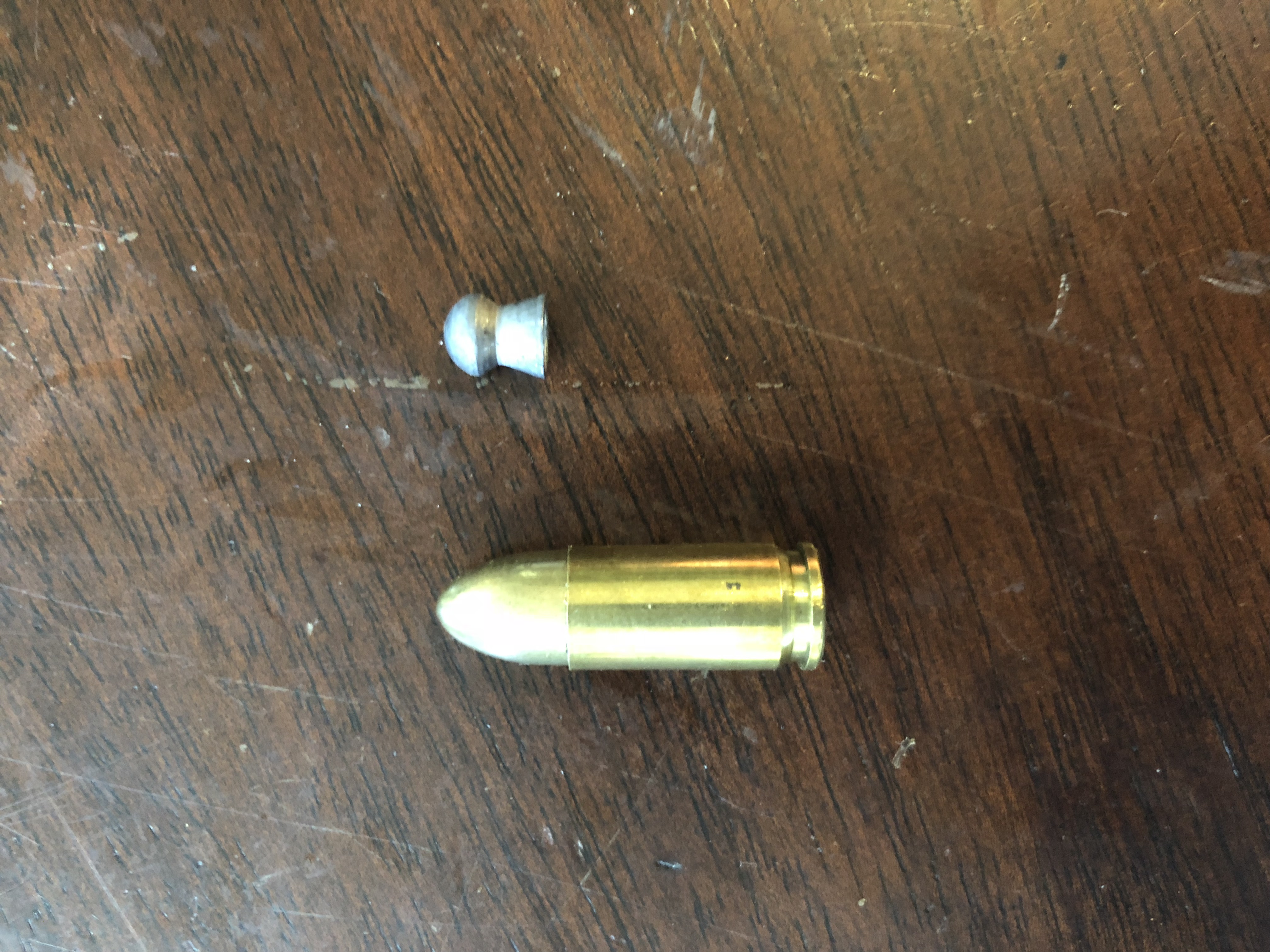
For reliable savings per round, 9mm Luger consistently offers the lowest cost-per-trigger-pull among centerfire handguns due to massive production volume, with practice loads often costing half of .40 S&W or .45 ACP. In rifles, .223 Remington/5.56 NATO dominates affordability per shot, beating .308 Win or 6.5 Creedmoor by a wide margin when shooting frequently. .22 LR remains the ultimate outlier, delivering the lowest absolute price per round—but its rimfire ignition and velocity drop-off make it unsuitable for defensive or long-range practice. For centerfire handgun training where you still need recoil management, 9mm is 7mm PRC Ammo for Sale the pragmatic sweet spot. Bulk purchases of 9mm or .223 in 500–1000 round cases unlock the steepest per-round discounts without compromising function.
- 9mm FMJ: 20–24 cents/round, reliable cycling in most pistols.
- .223/5.56 M193 or steel-case: 30–40 cents/round, acceptable accuracy to 300 yards.
- .22 LR: 8–12 cents/round, ideal for marksmanship drills but with lower ignition reliability.
- Budget 9mm or .223 from reputable brands (e.g., CCI, Federal, Winchester) outperforms unknown surplus ammo in feeding and consistency.
How to Spot Factory Seconds, Overruns, and Surplus Gems Without Getting Burned
To score budget-friendly ammo without getting burned, inspect packaging for stamped “seconds” or “blem” marks, which indicate cosmetic flaws but not functional failure. Overruns often arrive in plain white boxes with lot numbers, so verify headstamps match the advertised brand. Surplus gems require checking for corroded primers, tarnished cases, or berdan primers that complicate reloading. Always test a small sample for pressure signs like flattened primers or sticky extraction before buying bulk. Q: **How do I verify factory seconds aren’t unsafe?** A: Look for consistent case length and uniform primer seating; if rounds rattle or show cracked necks, reject them. Stick to reputable retailers offering returns on visibly damaged lots.
How to Stretch Your Shooting Budget Without Sacrificing Accuracy at the Range
Stretching your shooting budget with cheap ammunition starts with buying in bulk from reputable brands that prioritize consistent powder charges—this uniformity is what preserves accuracy. Skip bargain-bin mystery rounds; instead, chronograph a few boxes to confirm velocity consistency, then stock up on the lot that prints tight groups. To make every round count, shoot from a rest during practice to isolate your technique from ammo quirks, and zero your optic once per bulk batch rather than every session. You will burn through more cheap rounds than premium, so log each barrel’s preferred load to avoid wasting time on fliers. Finally, rotate your stock to avoid moisture damage, and clean your bore after cheap copper-fouled loads to keep the next string sharp—accuracy survives when you manage the variables, not the price tag.
Zeroing Your Firearm with Budget Rounds vs. Premium Defensive Loads
Zeroing your firearm with budget rounds is a smart way to save cash, but remember that your defense load will likely hit differently. Cheap ammo often uses lighter or slower bullets, shifting your point of impact by an inch or two at typical self-defense distances. So, first zero with budget rounds to get on paper and refine your mechanics, then fire a few premium defensive loads to see where they land. Confirm your final zero with your actual carry ammunition to avoid surprises.
Q: Can I trust a budget-round zero for my defensive gun?
A: Only if you verify. Most shooters find a slight shift, so always confirm with at least one magazine of your premium load before relying on it.
Practical Drills That Work Perfectly Fine with Economical Practice Ammo
You don’t need premium rounds to run drills that genuinely build skill. Focus on economical practice ammo drills that stress mechanics, not muzzle energy. Start with slow-fire trigger control at 7 yards—watch the front sight dip as you press. Then move to controlled pairs, firing two shots and resetting the trigger before your next breath. Finish with a reload drill: fire one round, swap mags, and fire again. The trick is treating every cheap round as a data point for your grip and sight alignment, not just noise downrange.

- Dry-fire with snap caps for 10 minutes to warm up.
- Shoot five single shots, analyzing each trigger break.
- Run three controlled pairs, then one reload drill, repeating for two 7.62x54R Ammo for Sale mags.
Storage Tips to Keep Low-Cost Cartridges Fresh and Corrosion-Free for Years

To make bargain ammo last, focus on corrosion-proof storage habits that cost pennies but save dollars. First, keep cartridges in airtight, resealable bags with a silica gel desiccant pack—this halts moisture that causes primer and case rust. Second, store them in a cool, dark place, ideally between 50–70°F; heat accelerates powder breakdown. Third, rotate your stash, using older rounds first to avoid long-term degradation. Finally, avoid storing in leather loops or loose in a damp range bag—sweat and humidity are silent enemies. A simple plastic ammo can with a rubber gasket, plus a desiccant, beats any fancy safe for low-cost rounds.
Where to Hunt for the Best Deals on Affordable Ammunition Online and Locally
For cheap ammunition, start with local big-box retailers like Walmart or Academy Sports, which often price 9mm and .223 as loss leaders—check their clearance racks first. For online deals, use ammo-seek.com to aggregate prices, then cross-reference with free-shipping thresholds at targetsportsusa.com or Bereli. Buy in bulk (500+ rounds) from MidwayUSA during holiday sales, or join a membership club like Ammo Squad for flat-rate shipping.
The real trick is stacking: local price-matching against online listings, plus using cash-back apps like Rakuten on first orders.
Always factor in shipping and tax into per-round cost—a “deal” at $0.30/round becomes $0.33 after fees, which may beat your local store’s $0.35.
New vs. Remanufactured Rounds: Which Saves You More Cash Safely?
When hunting for cheap ammunition, remanufactured rounds often beat new brass on price, usually saving 20–30% per box. But safety hinges on the loader’s reputation—stick with brands like Black Hills or Gunbot-verified sellers that inspect and resized cases. For range plinking, remanufactured is a cash-smart pick, but for defensive or hunting loads, buy new. Check for bright primer strikes and split necks before firing. If you test a batch and get keyholing or frequent failures, stop and switch brands.
- Compare per-round cost after shipping.
- Inspect remanufactured rounds for dents or loose bullets.
- Run a small sample (50 rounds) before bulk buying.
New costs more, but remanufactured keeps your wallet happy when reliability isn’t life-or-death.
Buying in Bulk: How to Calculate True Cost Savings Per Case vs. Box
To calculate true savings when buying ammunition in bulk, always compare the **cost per round after shipping and taxes**, not the sticker price per case or box. Divide the total delivered cost of a 500-round case by 500, then divide a 20-round box’s final price by 20; the gap is your real per-round saving. Factor in hazmat fees, which can erase case-level discounts if you buy only one. Shipping often costs more than the per-round difference for small orders, so batch multiple cases. A case may save 15% per round, but only if you actually shoot Ammo Cans & Storage for Sale that volume before prices drop.
Q: How do I compare a case vs. multiple boxes accurately?
A: Add all .17 HMR Ammo for Sale fees to both totals, divide by total rounds, and compare—then decide if warehouse storage and upfront cash are worth the 10–20% delta.
Member Discounts, Loyalty Programs, and Cashback Hacks You’re Probably Ignoring
Beyond sticker prices, ammo cashback rebates hide in plain sight if you stack them smartly. Sign up for retailer loyalty clubs like Bass Pro’s CLUB or Sportsman’s Warehouse’s Rewards—points accumulate on every box, then convert to vouchers for future bulk buys. Pair those perks with manufacturer promotions: Federal, Remington, and CCI frequently run instant rebates or mail-in offers that effectively slash $10–$20 per case. Also, check cashback portals like ActiveJunky or Rakuten before checking out online—they often return 2–8% on ammo purchases, which adds up on high-volume orders. Combine a portal’s percentage with a store’s member-only sale and a manufacturer’s rebate, and you’re quietly beating the cheapest advertised price without chasing clearance racks.
Matching the Right Cheap Load to Your Gun Type for Maximum Performance
You learn fast that a bargain 5.7x28mm Ammo for Sale box of ammo either sings or stumbles depending on the platform you feed. I once ran the same budget 115-grain 9mm through a tight-barreled compact and a loose combat pistol; the compact grouped like a laser, the other keyholed every third round. That’s the core trick—match the cheap load’s pressure curve and bullet profile to your gun’s twist rate and chamber throat. A slow-twist .223 rifle hates heavy, bargain-grade 62-grain bullets, but adores light 55-grain bulk packs, while a long-throated .308 eats soft-point surplus without a hiccup. Always test five different cheap loads per gun and track which one cycles the bolt cleanest and prints the tightest three-shot group at your max distance. Q: Why does the same cheap load shoot great in one gun and terrible in another? A: Because barrel rifling, headspace, and feed ramp geometry interact with the load’s velocity and ogive—so you must trial-and-error per firearm.
Lead Round Nose vs. Jacketed Hollow Points on a Budget: What’s Your Purpose?
On a budget, the choice between **Lead Round Nose and Jacketed Hollow Points** boils down to your actual goal, not the price tag. If you’re specialty sports & supply burning through hundreds of rounds for trigger reps and target practice, the cheap LRN’s flat, reliable feed and minimal cost make it the undisputed training champion. But if that same firearm is your defense tool, those savings mean nothing when penetration and expansion matter. A budget JHP, even a lower-tier brand, still delivers the controlled expansion and reduced over-penetration that LRN physically cannot. You get what you pay for: LRN for volume, JHP for survival. Don’t mix the two roles just to save a buck.
Pick LRN for practice volume, pick JHP for defensive stops—your budget serves the purpose, not the other way around.

Subsonic and Light-Recoil Loads That Protect Your Gear and Your Shoulder
For shooters seeking cheap ammunition that reduces felt recoil, subsonic and light-recoil loads offer a practical way to protect both your shoulder and your firearm’s moving parts. These loads typically use lighter bullets or reduced powder charges, which means less bolt velocity and lower stress on buffers, springs, and stocks. This is especially useful for older guns or polymer-framed pistols where repeated full-power rounds accelerate wear. On the range, you can shoot longer sessions without flinching or bruising, which improves accuracy 5.56 Ammo for Sale and confidence. While these rounds cost slightly more than bulk FMJ, they still qualify as budget-friendly when compared to premium defensive ammo, and they extend the service life of inexpensive gun parts.
When to Use Steel-Cased vs. Brass-Cased Affordable Rounds Without Misfires
For affordable rounds without misfires, choose steel-cased ammo primarily for high-volume range sessions in firearms with robust extractors and generous chamber tolerances, like AK-pattern rifles or older military pistols. The lacquer or polymer coating can soften under rapid fire, but it won’t cause failures if your gun’s ejection path is clean. Conversely, use brass-cased cheap loads for tighter-chambered guns—modern 9mm Glocks, AR-15s, or bolt-action rifles—where steel’s slight dimensional variance risks stuck cases or light primer strikes. Steel-case saves money only when you’re not reloading; brass justifies its higher price for defensive practice or guns you can’t easily clear. Never mix both in one magazine if you’re testing reliability.
Common Mistakes Shooters Make with Inexpensive Cartridges and How to Avoid Them
Treating inexpensive cartridges like premium match ammo is a fast track to 7.62×51 Ammo for Sale frustration, as bulk-priced rounds often have wider tolerances in powder charges and bullet seating. Assuming every box shares the same point of impact is the first major blunder; you must re-zero your optic for each new lot, even if the brand is identical. Another frequent error is ignoring obvious pressure signs—cheap brass can be softer, so sticky extraction or flattened primers mean you should stop immediately, not push through. Failing to visually inspect each round before loading is also critical, since a crooked bullet or a high primer sabotages accuracy and can cause a dangerous slam-fire. The real secret is to embrace the variability and build your technique around it, not fight it. Finally, don’t clean your firearm obsessively afterward; inexpensive powder often leaves more residue, but a quick bore wipe beats aggressive scrubbing that wears out the barrel prematurely.
Why Feeding Budget Ammo to High-Strung Firearms Causes Jams and Duds
Feeding budget ammo to a high-strung firearm is a recipe for frustration, because tight-tolerance guns like match 1911s or race pistols amplify every flaw in cheap cartridges. The weak, inconsistent primer strikes you get from off-brand rounds often fail to ignite in these sensitive actions, producing duds. Similarly, the softer brass and rough case rims of inexpensive ammo can hang up in the feed ramp, causing a classic stovepipe jam. These guns demand the consistent pressure 7.62×39 Ammo for Sale and precise dimensions that budget rounds just don’t offer. **Ammo-induced reliability issues** are the top culprit when your fancy rig suddenly stops working. Keep the cheap stuff for your beater guns, and treat the high-end one to quality loads.
- Weak primers in budget ammo lack the force to reliably set off a tuned, high-strung firing pin system.
- Unpolished case rims from cheap manufacturing cause the extractor to slip, resulting in double-feeds and jams.
- Inconsistent powder charges create erratic recoil, which disrupts the delicate timing of a competition-grade slide, leading to duds.
Cleaning Your Gun More Often to Handle Dirtier, Cheaper Propellant Residue
Inexpensive cartridges often use faster-burning, less-refined propellants that leave a sticky, carbon-heavy fouling far quicker than premium powders. To prevent accuracy degradation and cycling failures, adopt a stricter maintenance schedule, cleaning after every range session rather than every few hundred rounds. This aggressive residue builds up in the chamber throat and gas system, so focus solvent application on those high-heat zones. Forcing a dry patch through a hot bore only bakes the film harder; let the solvent dwell. A bore snake followed by a wet patch and a final dry pass handles the grit effectively. Neglecting this routine invites corrosion and stuck cases.
Frequent cleaning intervals are the simplest defense against cheap ammo’s byproducts. Q: How often should I clean if I only shoot budget rounds? A: Clean immediately after every outing— especially the bolt face and gas tube—since even a 50-round box leaves a visible soot layer that hardens overnight.
Tracking Malfunctions: Which Budget Brands Actually Fail—and Which Never Do
When tracking malfunctions across budget lines, failure rates cluster around specific weak points, not entire brands. Tula and Wolf steel-case rounds consistently choke in tight-chambered AR-15s due to lacquer buildup after rapid fire, while Browning BPT and Monarch brass cases feed reliably in nearly every platform. Winchester White Box suffers occasional primer-seating issues, causing light strikes in striker-fired pistols, yet Remington UMC rarely shows extraction problems. The overlooked variable is lot consistency—Federal Champion and S&B deliver identical headspace and OAL batch-to-batch, whereas Magtech and PMC show fliers in setback and neck tension that induce double-feeds. For tracking each malfunction, log the round count and failure type; only brands with uniform case dimensions—not price—earn your carry rig.
Budget brands fail by inconsistent case geometry and primer seating, not .17 WSM Ammo for Sale by name—so track each lot’s OAL and setback, and stick with Federal Champion, S&B, Browning BPT, or Remington UMC for zero tracking surprises.